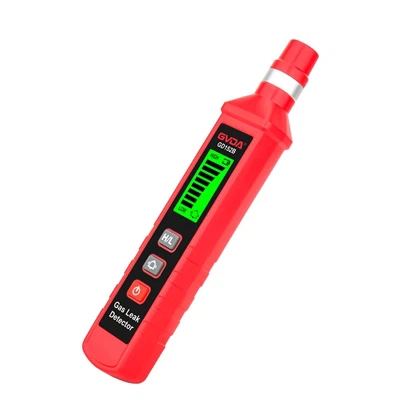
Einführung in das Arbeitsprinzip des tragbaren brennbaren Gasdetektors
General combustible gases can be detected by combustible gas detectors, such as hydrogen, methane, ethane, propane, butane, nonane, methanol, ethanol, propanol, ethylene, ethyl acetate, toluene, xylene, acetone, butanone, vinyl chloride, liquefied gas, natural gas, acetylene, acrylonitrile, methane, cyclohexane, propylene, dimethylamine, acetic acid, formaldehyde, diesel, gasoline, acetic acid, ethanol, solvent oil, epoxyethane, dimethyl sulfate, sulfur hexafluoride, methyl ether, isobutane, dimethyl ether, turpentine, oil and gas, paints, gases, benzyl alcohol, dichlorotoluene, methyl acetate, methyl Acetat usw.
The application fields of combustible gas detectors are very wide, such as petrochemicals, industrial production, smelting and forging, electricity, coal mines, tunnel engineering, environmental monitoring, sewage treatment, biopharmaceuticals, household environmental protection, animal husbandry, greenhouse cultivation, warehousing and logistics, brewing and fermentation, agricultural production and fire protection, gas, construction, municipal enterprises, Schullabors, wissenschaftliche Forschungszentren und andere Orte, an denen Gasdetektoren verwendet werden.
Das Erkennungsprinzip variiert je nach erkennbarem Gas
1. Katalytik -Verbrennungsprinzip: brennbare Gase wie Methan, Wasserstoff usw.;
2. Elektrochemische Prinzipien: Sauerstoff, Kohlenmonoxid, Wasserstoff, Ammoniak, Schwefeldioxid, Wasserstoffsulfid, Stickoxide, Wasserstofffluorid, Chlorgas usw.;
3. Infrarotprinzip: Kohlendioxid, Methan, Brommethan, Öl und Gas usw.;
4. PID Photoionization Prinzip: VOC, TVOC, Dumm, Xylol usw.;
5. Thermalleitfähigkeitsprinzip: Siehe Beispiele wie Fluorgas, Lachgas, Schwefelhexafluorid usw.
6. Nicht dispergierender Infrarot (Dual Beam) NDIR -Prinzip: Kohlendioxid, Kohlenmonoxid, Schwefeldioxid usw. usw.
7. Weitere Gaserkennungsprinzipien auf dem Markt sind Lasererkennung, ultraviolettes Prinzip, VOC -Erkennung und FID -Erkennungsprinzip.